How to Choose the Right HVAC System for Your Home Aug 15, 2026
Before diving into the types of HVAC systems, it's important to evaluate the specific requirements of your household. Start by considering the size of your home. An HVAC system that is too large will cycle on and off frequently, causing unnecessary wear and tear, whereas a system that is too small will struggle to maintain the desired temperature. Both scenarios can lead to increased energy consumption and higher utility bills.
Once you've assessed your home’s size, take a closer look at its insulation and windows. Homes with poor insulation or older windows may lose more energy, necessitating a more powerful system to maintain efficiency. Conduct an energy audit if necessary, as this will provide a clearer picture of your home’s heating and cooling demands.
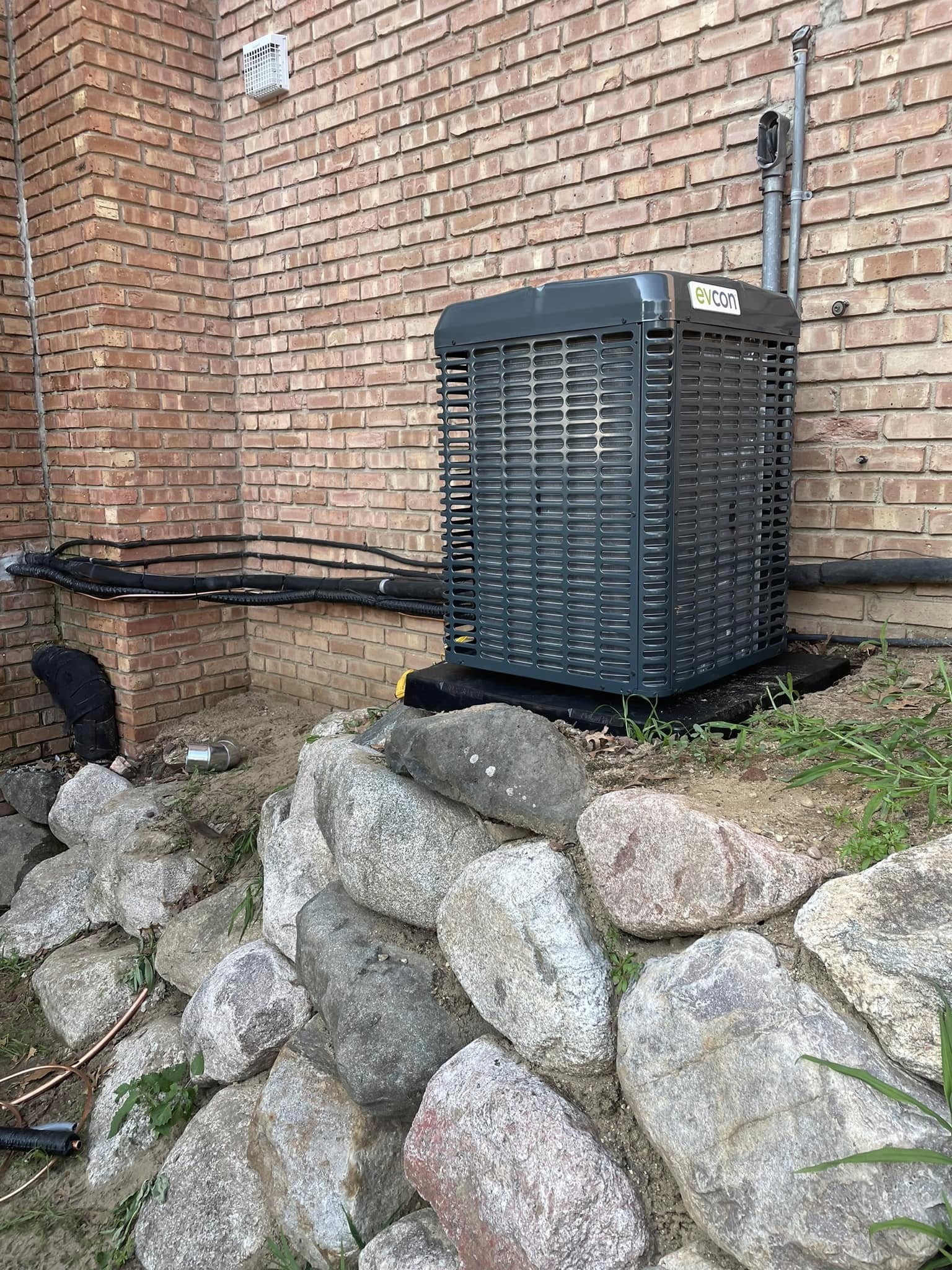
Now that you've gathered initial information about your home’s needs, let's explore the types of HVAC systems. Central air conditioning systems are among the most common and effective solutions for whole-home cooling. They use ductwork to distribute cooled air throughout your house, making them ideal for larger homes. If you have ductwork already installed, this could be a seamless integration.
For those seeking an energy-efficient option, heat pumps are a versatile alternative. They work by transferring heat from one place to another and can be used for both heating and cooling. Heat pumps are particularly effective in moderate climates and can substantially reduce your electricity costs by using energy more efficiently than traditional systems.
If you live in a smaller home or only need to control the climate in certain areas, consider ductless mini-split systems. These systems allow individual control over different zones, making them an energy-saving choice for targeted heating and cooling. Plus, by eliminating the need for ductwork, mini-splits can be a cost-effective option in homes without existing ducts.
Another factor to consider is the system’s energy efficiency, typically measured by the Seasonal Energy Efficiency Ratio (SEER) for air conditioners or the Heating Seasonal Performance Factor (HSPF) for heat pumps. Systems with higher SEER and HSPF ratings will be more efficient, resulting in lower energy bills. Additionally, look for systems with the ENERGY STAR certification, which assures you of their efficiency and environmental friendliness.
Choosing the right HVAC system also involves considering the technology and additional features. Many modern systems include programmable thermostats that offer precise control over your home’s climate, allowing you to adjust settings remotely or set schedules that fit your lifestyle. Features like variable-speed motors and advanced filtration systems can further enhance comfort and air quality.
Finally, don't overlook the importance of professional installation and maintenance. A properly installed and maintained HVAC system operates more efficiently and lasts longer. At Byrd's Nest Heating & Cooling LLC, our team of experts is committed to guiding you through the selection process and ensuring your system is installed to provide maximum comfort and value.
In conclusion, choosing the right HVAC system for your home involves evaluating various factors such as size, energy efficiency, and your specific climate needs. By taking these into account, you can ensure you select a system that keeps your home comfortable year-round while managing energy costs. Remember, our knowledgeable team is always here to help you make the best choice for your home’s unique requirements.